
When to Build and When to Buy
I spent three hours last Tuesday digging through a client’s “custom” site, only to find it was just a bloated, $200 premium theme with fifty unused plugins acting as a digital graveyard. Everyone wants to believe that “bespoke” is a magic word for quality, or that “off-the-shelf” is a shortcut for the lazy, but that’s a lie sold by people who don’t have to fix the code at 2:00 AM. The real question of how to decide between bespoke and off the shelf isn’t about your budget—it’s about whether you’re ready to inherit someone else’s architectural mistakes or if you actually have the patience to build your own rules from scratch.
I’m not here to give you a sales pitch for a high-end agency or a tutorial on how to install a template. I’m going to show you how I look under the hood to see what decisions have already been baked into a product before I even hit install. We’re going to strip away the marketing fluff and look at the actual cost of technical debt, so you can choose a path that won’t leave you staring at a slow, unmanageable mess in six months.
Table of Contents
- The Architects Dilemma How to Decide Between Bespoke and Off the Shelf
- Customized vs Standardized Solutions Reading the Blueprint
- Standardized Solutions Accepting Someone Elses Decisions
- Decoding the Hidden Cost of Inherited Logic
- Engineering Your Future Scalability and Structural Integrity
- Scalability of Bespoke Software vs Rigid Frameworks
- Software Flexibility and Integration Mastering Implementation Timeframes
- My Pre-Flight Checklist: How Not to Inherit a Digital Disaster
- The Final Audit
The Architects Dilemma How to Decide Between Bespoke and Off the Shelf

When I’m sitting down with a client, the conversation usually hits a wall right here. They want the magic of a site that feels like it was grown in a lab specifically for them, but they also want it to be live by Tuesday. That’s the friction point. If you go the custom route, you’re essentially building from the ground up, which offers unparalleled software flexibility and integration. You aren’t fighting against someone else’s leftover code or bloated plugins. But let’s be real: the implementation timeframes for a truly bespoke build are going to make your eyes water if you’re used to the instant gratification of a template.
On the flip side, off-the-shelf solutions are tempting because they promise a shortcut. You buy the box, you install it, and you’re “done.” But my folder of inherited disasters is full of people who thought they were saving money, only to realize they were actually just signing up for massive vendor lock-in risks. When you use a standardized solution, you aren’t just buying a tool; you’re adopting a philosophy you can’t easily change. You have to decide if you’re okay with working within their boundaries, or if you’d rather spend the extra capital to ensure the foundation actually supports your long-term vision.
Customized vs Standardized Solutions Reading the Blueprint
When I’m handed a project, I don’t just look at the pretty front-end; I look at the underlying logic. With a standardized solution, you aren’t just buying a tool; you are buying a pre-determined way of working. You’re essentially agreeing to a set of constraints that were decided by a developer you’ve never met, likely in an office halfway across the world. If their “standard” way of handling a header doesn’t align with your vision, you’re going to spend more time fighting the code than actually building the site. It’s a trade-off between speed and autonomy.
On the flip side, a custom build is a blank slate, which sounds liberating until you realize you’re now responsible for every single structural decision. There’s no safety net of a pre-made framework to catch you. You have to map out every interaction and every data relationship from scratch. It’s a heavy lift, but it means the site actually reflects your specific needs rather than being a compromised version of a template.
Standardized Solutions Accepting Someone Elses Decisions
When you go with an off-the-shelf theme or a heavy-duty page builder, you aren’t just buying a tool; you’re signing a contract with a stranger’s logic. Every layout option, every pre-set margin, and every “intuitive” drag-and-drop feature is a decision that someone else made months—or years—before you even logged in. If you’re okay with their way of thinking, it’s a massive shortcut. But if you find yourself fighting the software just to move a button five pixels to the left, you’re essentially trying to argue with a ghost.
The real danger isn’t the cost; it’s the unseen technical debt that comes with these standardized packages. You might get a beautiful site out of the box, but you’re also inheriting every single bloat-heavy plugin and questionable CSS choice they decided were necessary for the “average” user. I’ve spent far too many late nights un-building sites that were crippled by these exact types of baked-in assumptions.
Decoding the Hidden Cost of Inherited Logic

When I open a client’s site and find a bloated, “all-in-one” theme, I don’t just see code; I see a graveyard of decisions I didn’t make. Every pre-packaged feature is a piece of logic you’re forced to carry around, whether you need it or not. This is where the total cost of ownership comparison gets messy. You might save a few bucks on the initial setup, but you’ll pay for it in technical debt every time you try to move a single pixel. You aren’t just buying a tool; you’re adopting a philosophy that might actively fight your growth.
The real danger lies in the long-term friction. If you go the off-the-shelf route, you’re often dancing around vendor lock-in risks that make future migrations feel like pulling teeth. You think you’re being efficient, but you’re actually just trading autonomy for a false sense of speed. I’ve spent far too many weekends un-building “simple” setups because the underlying logic was too rigid to allow for even basic software flexibility and integration. If the foundation is built on someone else’s rigid assumptions, you aren’t building a site—you’re just living in their house.
The Total Cost of Ownership Comparison
When people ask me about the price difference between a custom build and a pre-made theme, they’re usually only looking at the invoice sitting in front of them right now. That’s a mistake. If you buy a cheap, off-the-shelf solution, you aren’t just paying the license fee; you’re paying for the future hours I’ll spend digging through bloated code just to make a simple layout change. You have to account for the technical debt that accumulates every time a plugin update breaks a hard-coded dependency.
On the flip side, a bespoke site carries a heavy upfront cost, but the math changes once you realize you aren’t paying a “bloat tax” every single month. With custom work, the decisions are yours, which means the maintenance is predictable. You aren’t constantly bracing for the next update to shatter your carefully curated design. I’ve learned that the cheapest option is rarely the one that costs the least over three years.
Vendor Lock in Risks the Price of Convenience
Here is the trap most people fall into: they trade long-term autonomy for a quick win. When you opt for an off-the-shelf solution—especially those heavy-duty page builders—you aren’t just buying a tool; you’re signing a lease on a specific way of working. If that vendor decides to change their pricing model, pivot their feature set, or simply go belly-up, your entire site structure is held hostage. I’ve spent far too many weekends trying to untangle a client’s content from a proprietary ecosystem because they wanted the illusion of ease during the initial build.
It’s a specialized kind of nightmare. With a bespoke setup, I own the logic. If we need to move servers or swap a plugin, we have the agency to do it. But with a massive, all-in-one theme or builder, you’re essentially building your house on rented land. You might love the convenience today, but you have to ask yourself if you’re actually prepared to pay the exit tax when you finally want to move on.
Engineering Your Future Scalability and Structural Integrity
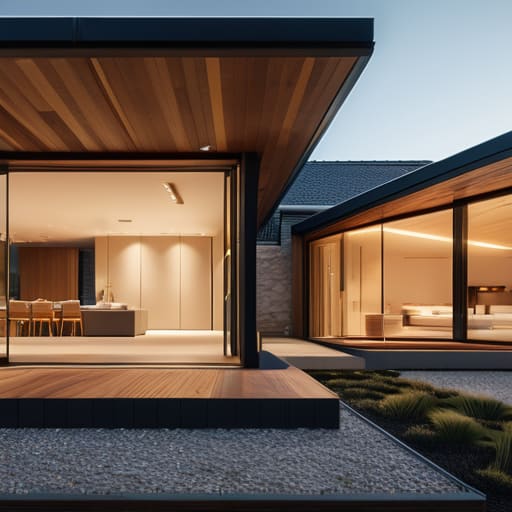
When I’m auditing a site, I’m not just looking at what it does today; I’m looking at how it’s going to break when you actually start growing. This is where the debate over customized vs standardized solutions gets real. An off-the-shelf product is like a pre-fab house. It’s easy to move into, sure, but the moment you decide you want to knock down a wall to expand the kitchen, you realize the load-bearing beams are actually just plastic decorative trim. You hit a ceiling—literally and figuratively—because the software wasn’t built to bend; it was built to stay exactly as it is.
If you’re planning for the long haul, you have to weigh the scalability of bespoke software against that immediate sense of relief you get from a quick installation. Custom builds give you the luxury of structural integrity; you build the foundation specifically for the weight you intend to carry. With a standardized tool, you’re often just piling more layers of “plug-in bloat” on top of a rigid core to force it to do things it was never meant to do. Eventually, that weight causes the whole thing to sag, and you’re left spending more time patching cracks than actually building your business.
Scalability of Bespoke Software vs Rigid Frameworks
When I’m looking at a rigid framework, I’m looking at a ceiling. Off-the-shelf solutions are built for the “average” user, which sounds great until your business actually starts growing and you hit a wall. You try to add a specific feature or a unique user flow, and suddenly you’re fighting the very code that was supposed to make your life easy. You aren’t building anymore; you’re just trying to bend a steel beam that wasn’t designed to flex.
Bespoke software, on the other hand, is built with the exit strategy in mind. Because you (or your dev) owned the initial logic, you aren’t trapped by the limitations of a third-party roadmap. If you need to pivot your entire service model next year, a custom build allows you to expand the foundation without the whole house collapsing. It’s the difference between adding a room to a house you designed versus trying to glue a porch onto a pre-fab shed.
Software Flexibility and Integration Mastering Implementation Timeframes
When you go the off-the-shelf route, you aren’t just buying a tool; you’re buying a schedule. Most people think they’re saving time because they can hit “install” and see a pretty layout by lunch, but they forget that they’re now playing a game of Tetris with someone else’s code. If you need that specific API to talk to your CRM, or if you need a custom checkout flow that doesn’t feel like a generic template, you’re going to spend weeks fighting the framework just to make it behave. It’s a false economy. You end up spending more time on clunky workarounds than you would have spent just building it right the first time.
Bespoke development is the opposite extreme. It’s a slow burn at the start, sure, but the implementation timeframe is actually predictable because you aren’t fighting ghosts in the machine. You aren’t waiting for a third-party developer to push a patch so your plugin stops breaking the header. When I build something from scratch, the integration phase is about connecting pieces I actually control, rather than trying to force a square peg into a very expensive, very rigid round hole.
My Pre-Flight Checklist: How Not to Inherit a Digital Disaster
- Map your non-negotiables before you look at a single demo. If your business logic requires a specific workflow that doesn’t exist in the standard “out of the box” version, stop right there. Trying to force a standardized tool to do something it wasn’t built for is how you end up with a bloated, Frankenstein mess of plugins.
- Audit the “bloat-to-feature” ratio. I’ve spent way too many hours un-building sites where a client bought an off-the-shelf theme just to use one single contact form, only to find they’d also inherited fifty unused CSS files and three redundant slider scripts. If you aren’t using 80% of what you’re paying for, you’re just paying for technical debt.
- Look past the UI and check the API documentation. An off-the-shelf solution might look pretty in a screenshot, but if it doesn’t play nice with your existing stack, it’s a walled garden. I need to know if I can actually pull data out of it later, or if I’m just signing a lease on a digital apartment I can never renovate.
- Calculate the “Fix-It” tax. When you go bespoke, your cost is in the build; when you go off-the-shelf, your cost is in the maintenance and the inevitable “workarounds.” Ask yourself: do I want to pay a developer to build it right once, or do I want to pay a subscription fee forever to keep a rigid system from breaking every time it updates?
- Test the exit strategy. Before you commit to a vendor, ask how hard it is to leave. If your entire business logic is wrapped in a proprietary format that only their software understands, you aren’t a customer—you’re a hostage. I always prefer solutions where the data is portable, even if the setup takes a little longer.
The Final Audit
At the end of the day, choosing between bespoke and off-the-shelf isn’t just a budget conversation; it’s a decision about how much control you’re willing to surrender. If you go with a pre-packaged solution, you’re essentially signing a contract to live by someone else’s logic, inheriting every shortcut and rigid framework they decided was “good enough.” On the flip side, building from scratch gives you the freedom to engineer exactly what you need, but it demands you own every single mistake along the way. You have to weigh the immediate convenience of a standardized tool against the long-term technical debt of a system that might eventually feel like a suit three sizes too small.
Don’t let the shiny demo of a page builder or a SaaS platform distract you from the underlying architecture. Before you click install or sign that enterprise contract, ask yourself if you are building a foundation or just renting a room. My advice? Read the blueprint before you buy the house. Whether you choose the efficiency of a standard framework or the precision of a custom build, make sure the decision is based on where you want to be in three years, not just how easy things are for the next three weeks. Stop settling for inherited limitations and start building with intention.